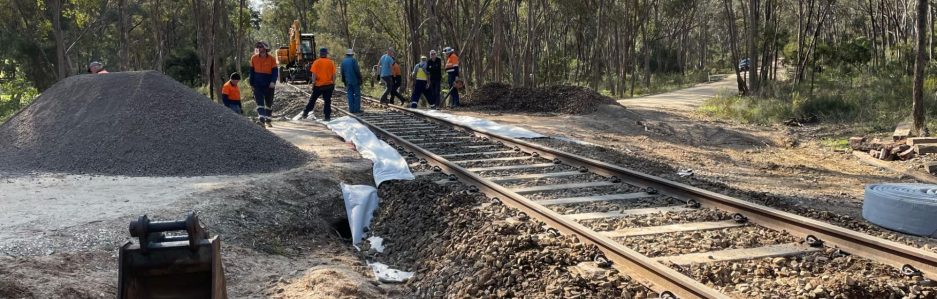
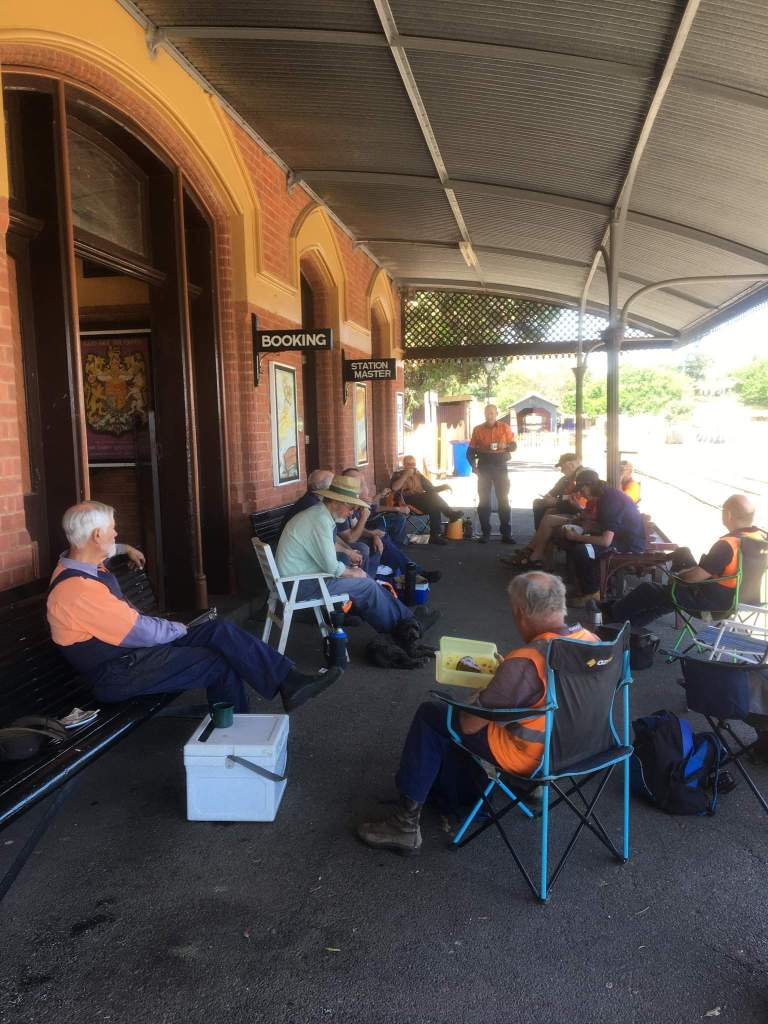
Well lunchtime today saw a nice simply gathering to celebrate the end of 2021 and it was one of the few occasions where we’ve been able to get so many different people together from the various Tuesday, Thursday and Friday gangs.
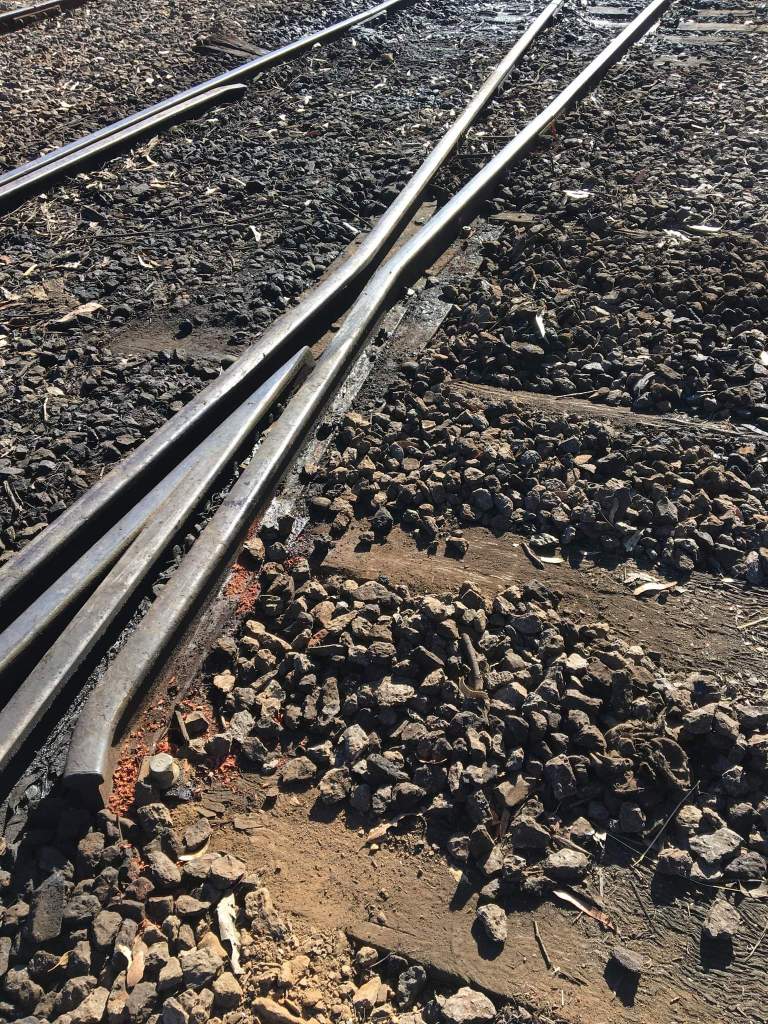

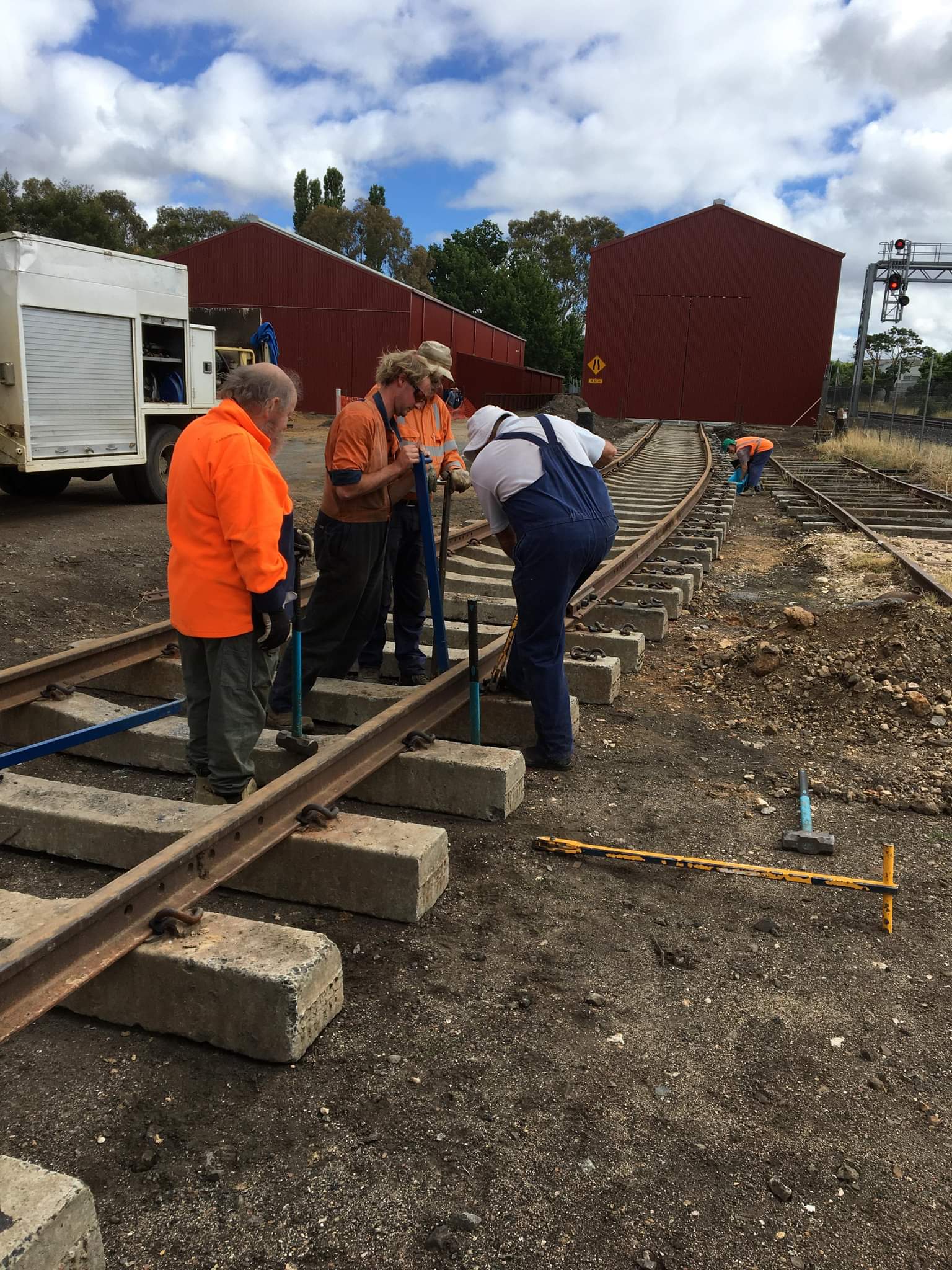
But, before breaking up, we made good use of the large workforce to tend to a few things. The first being the V crossing in the dockroad turnout. This particular design has the rails riveted to a flat plate. After 140ish years in service the odd rivet works loose.

Given that high tensile bolts are now a common item, it’s quite easy to remove the old rivet and replace with a bolt, which is what we did. We also did a bit of belts and braces stuff by actually screwing the crossing onto a couple of the timbers, which will help prevent the movement that leads to the loosening of the rivets. When time, resources and final future use plans for Maldon are available, we’ll upgrade this turnout appropriately.
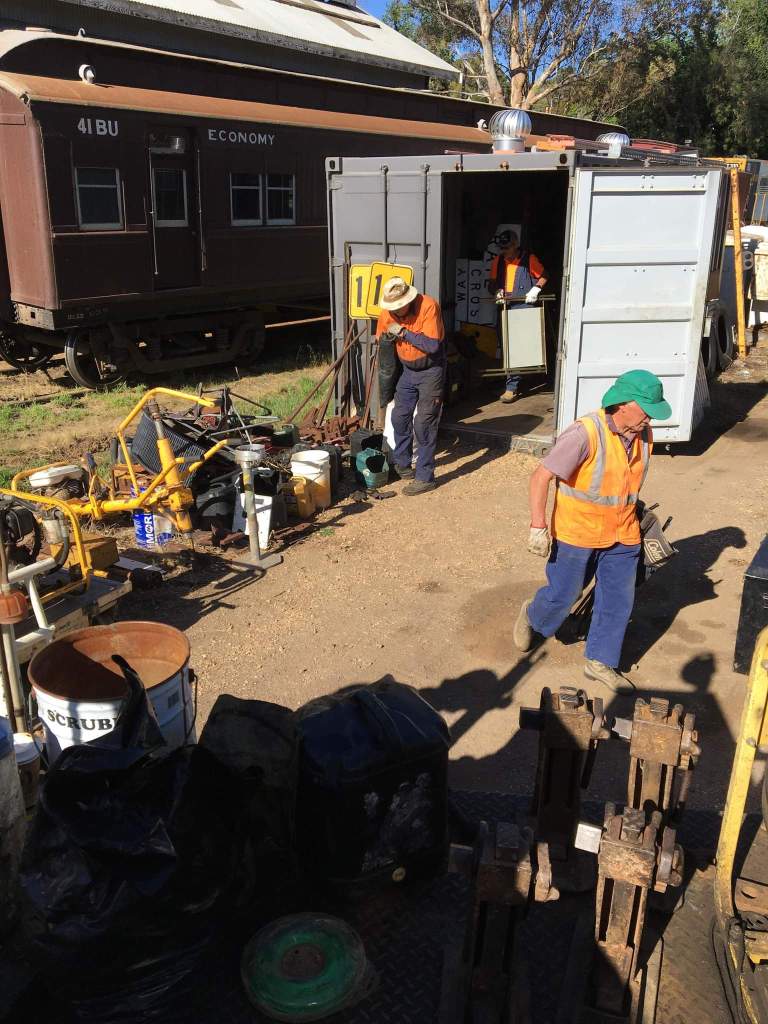


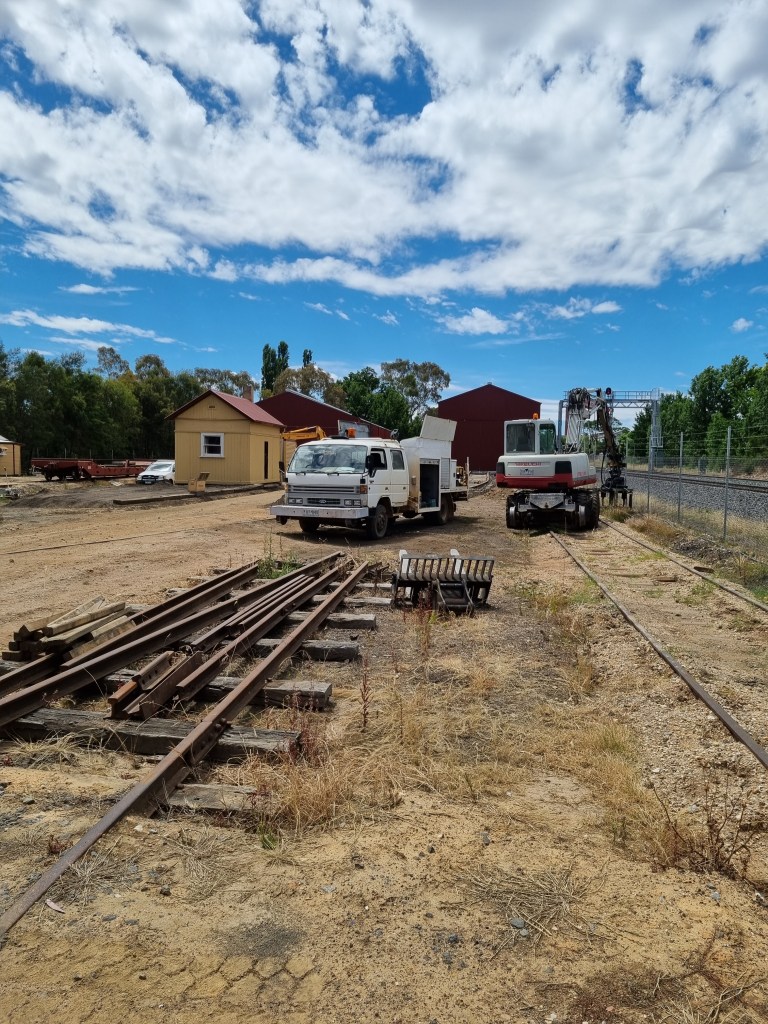
Then we turned our attention to the gang truck. We’d all suspected for some time we were probably carrying too many bits and pieces, but we didn’t realise we were carrying so much!! Beside incredible duplication of most tools, we decided having 21 crow bars on board was possibly excessive.


And when tided up and the appropriate number of tools were returned to the vehicle, it was staggering just how much extra space there suddenly was.

While the truck was being attacked, our storage containers also received the same treatment and now not only is everything accessible, there seems to be twice the availability space.
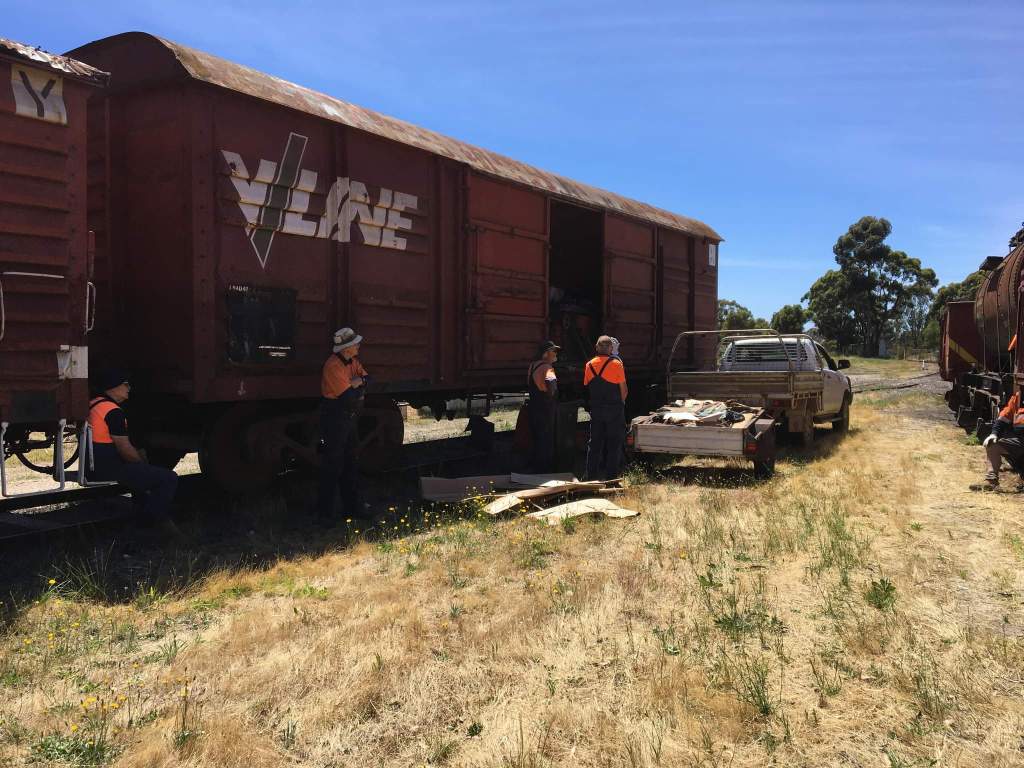
And as if all that sorting wasn’t enough, the signalling van was also in dire need of an organise. As we slowly sort out our collection we’ve placed weather sensitive items into here, but never had the time to do the sorting. Well a small mountain of rubbish was turfed and the good stuff is now laid out in such a way as it can all be found!
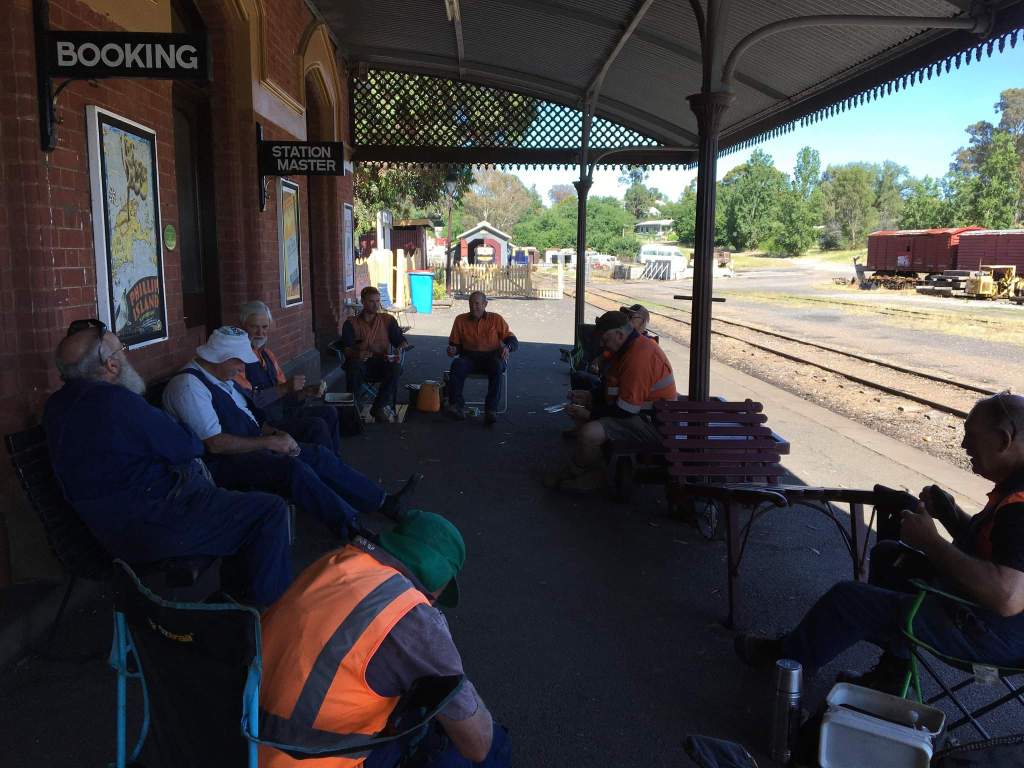
At the end of another extremely busy year, it was very nice to finally have a chance to sit down and reflect on everything the amazing volunteer workforce has achieved. We were very spoilt as Mal’s wife very kindly made us sausage rolls and a very very nice selection of cakes and treats to enjoy, which was greatly appreciated by all – thankyou Leanne.
In a very brief summary, 2021 has seen a vast array of projects –
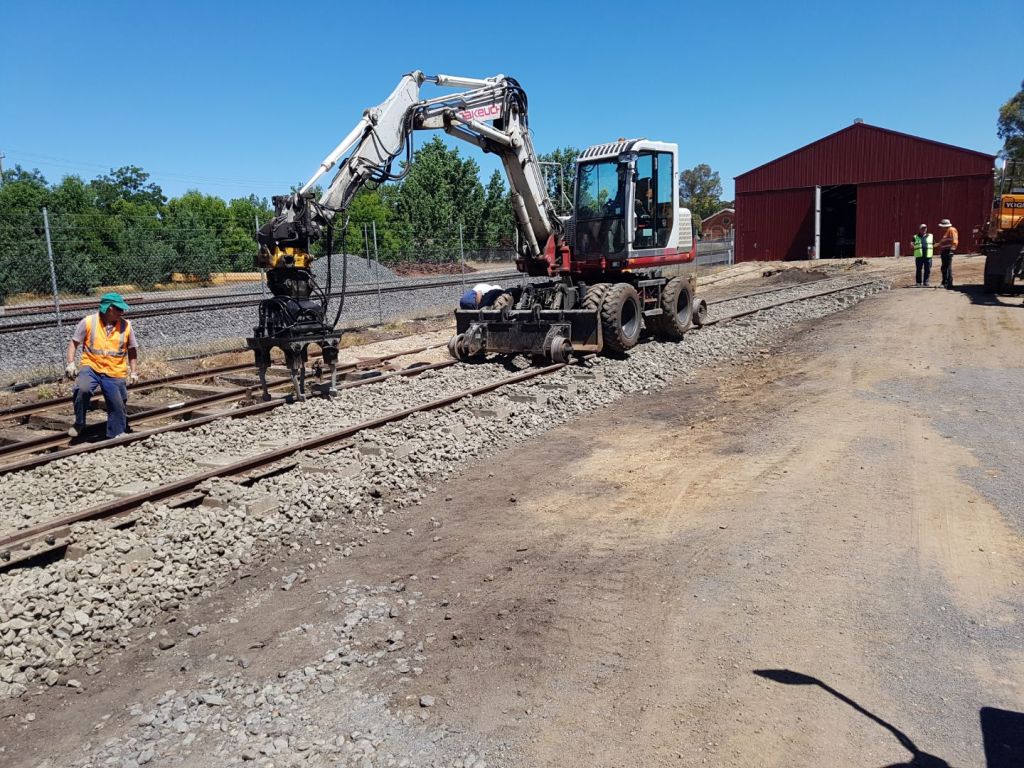
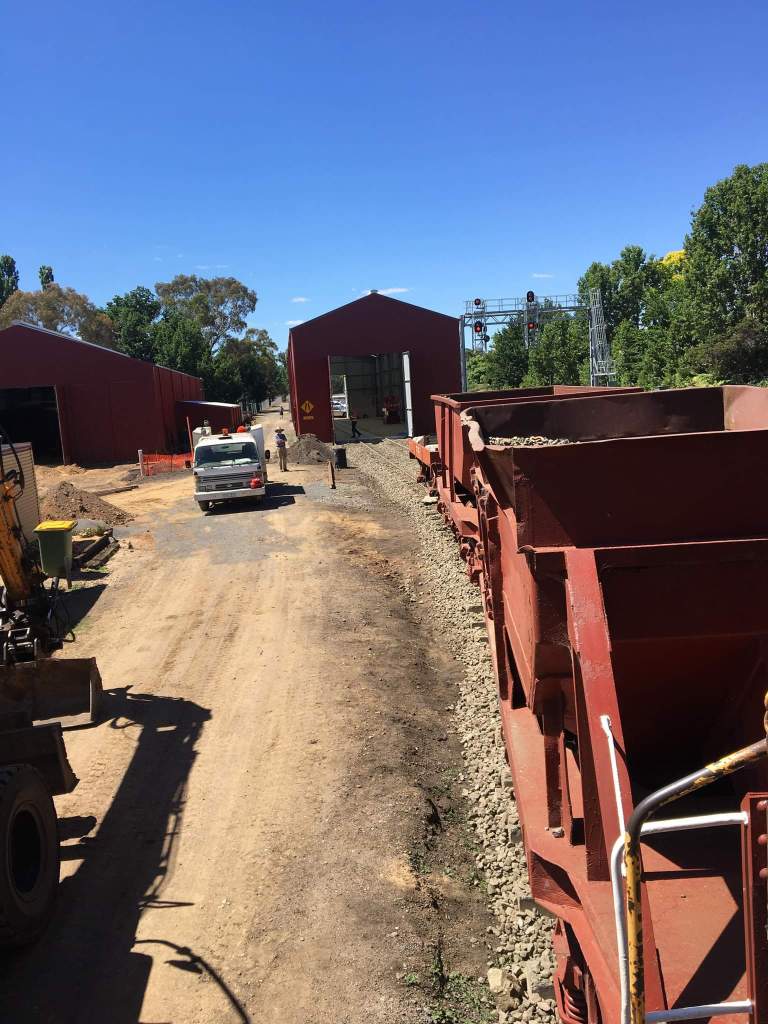
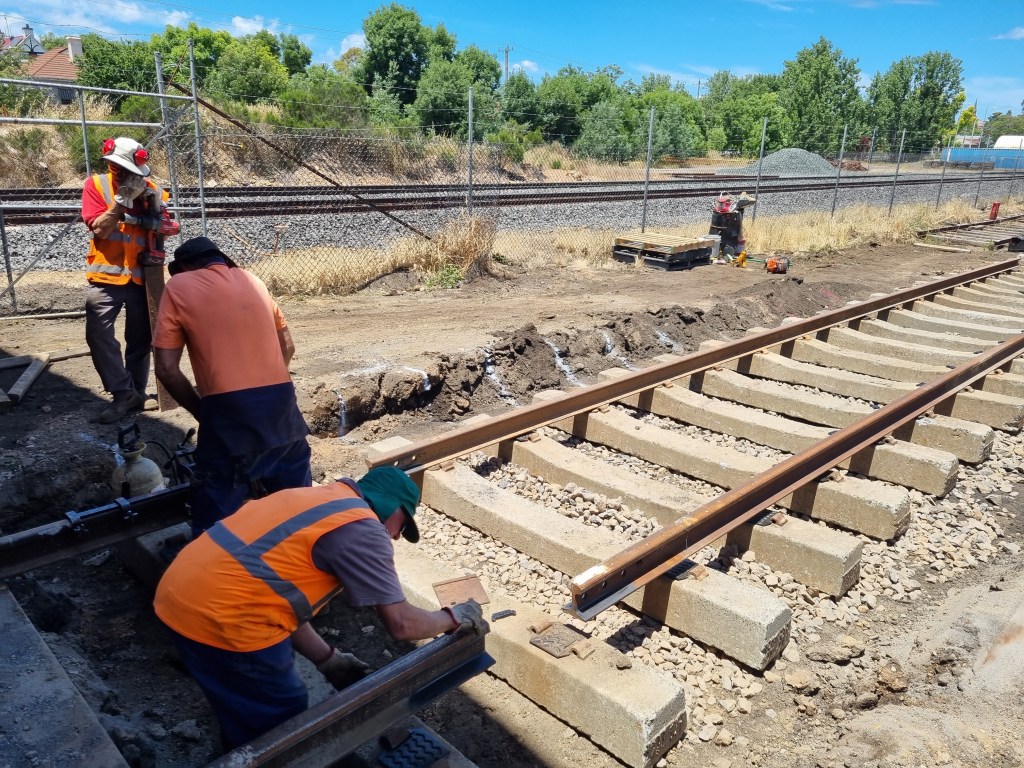
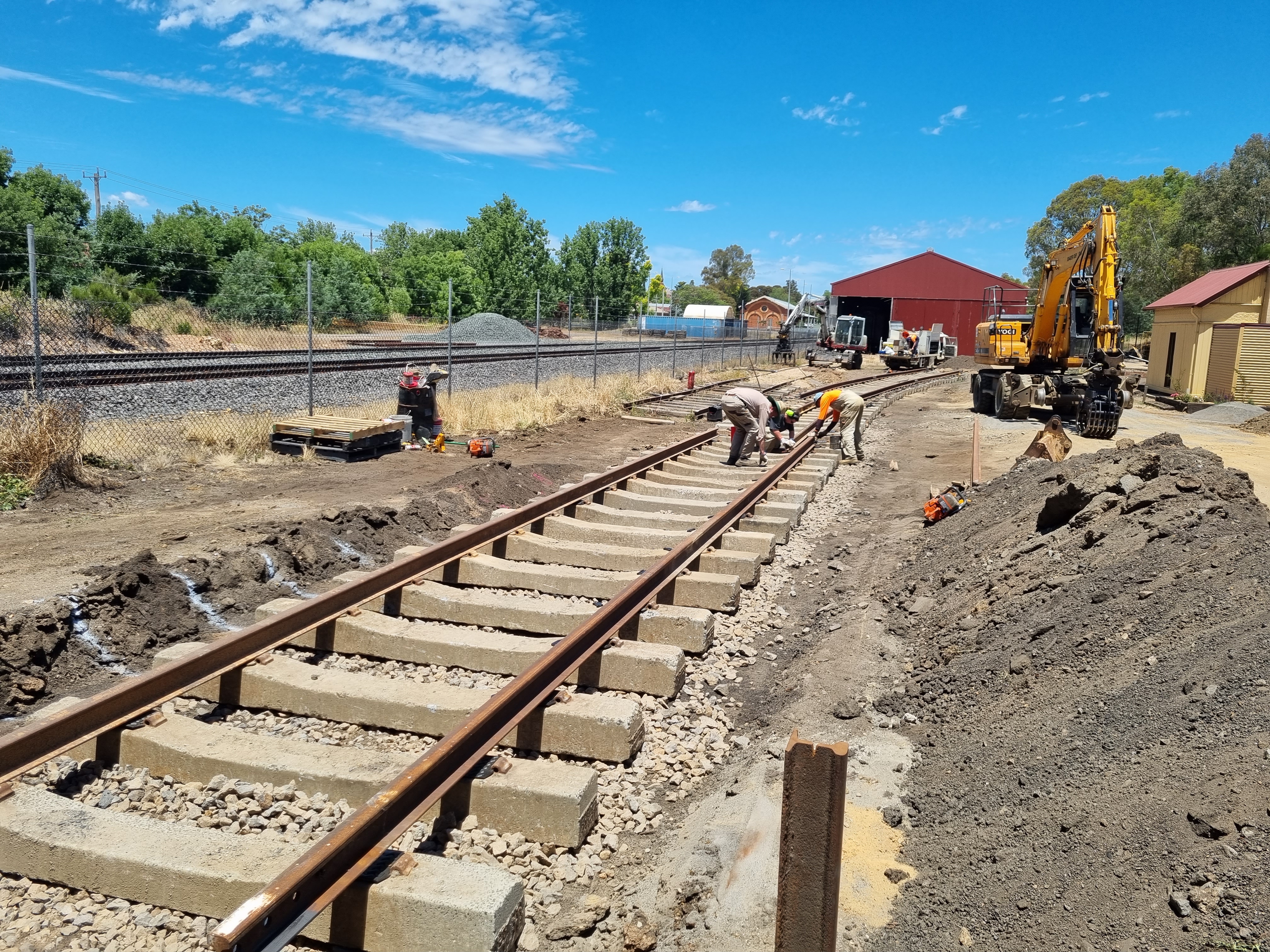
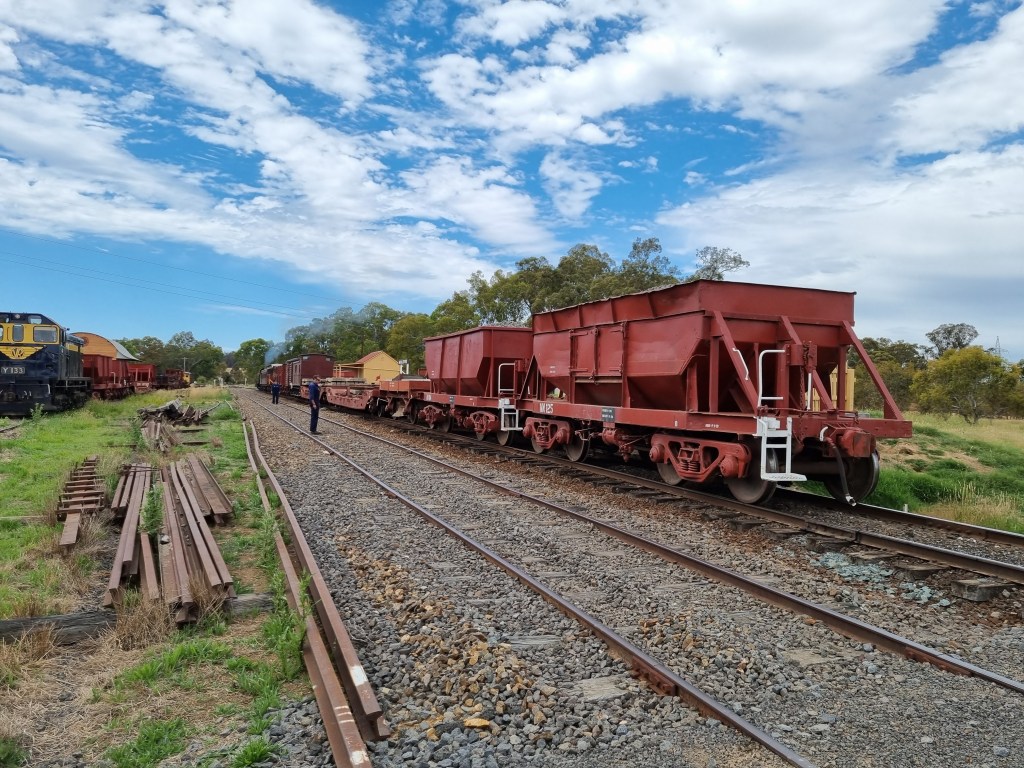
3 level crossings rebuilt, around 3000m of re-railing, another 1700 odd sleepers replaced (mostly with concrete), significant works at Castlemaine, with the loco shed pit and trackwork, the workshop trackwork and turnout. Elsewhere we’ve done – beam replacement in two bridges, lots of lineside mowing, one crossing upgraded to flashing lights, curve 21 fully re-sleepered with concrete, around 1700tons of ballast distributed, an enormous amount of geometry work, a great number of bolts tightened and lots of tidying up and sorting of materials and jewellery, with quite a bit of that done while working around covid lockdowns.
It’s been a busy one and next year’s not looking much quieter, although we’re essentially finished the major projects now (well our portion of them largely), with most Castlemaine work likely to reduce to a more staged approach as funds and resources allow, meaning we shouldn’t be under the pump quite so much. Our main track project next year will be completing the re-railing, which should be achievable, in between the other general maintenance.
Once again, thankyou to everyone who has been able to help us this year, not only do we greatly appreciate it, but we wouldn’t have achieved much at all if it wasn’t for you.
Merry Christmas and a happy and safe New Year from the VGR Civil Branch.
Workdays will resume on Tuesday 11th Jan 2021, check back on Monday 10th Jan for details.