2025 was up there as being one of our busier years – possibly a bit quieter than we were in 2024, however we were no less productive.
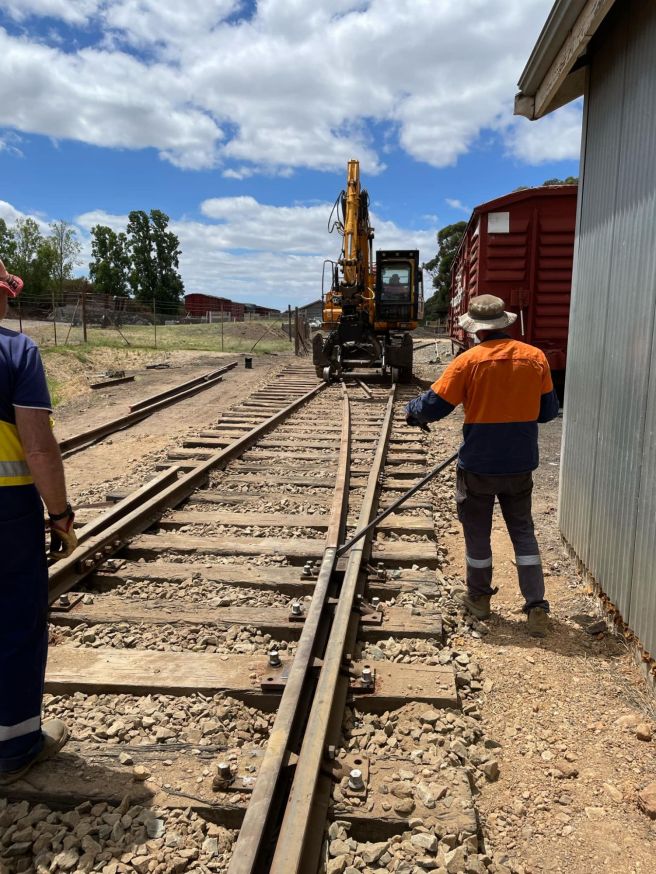
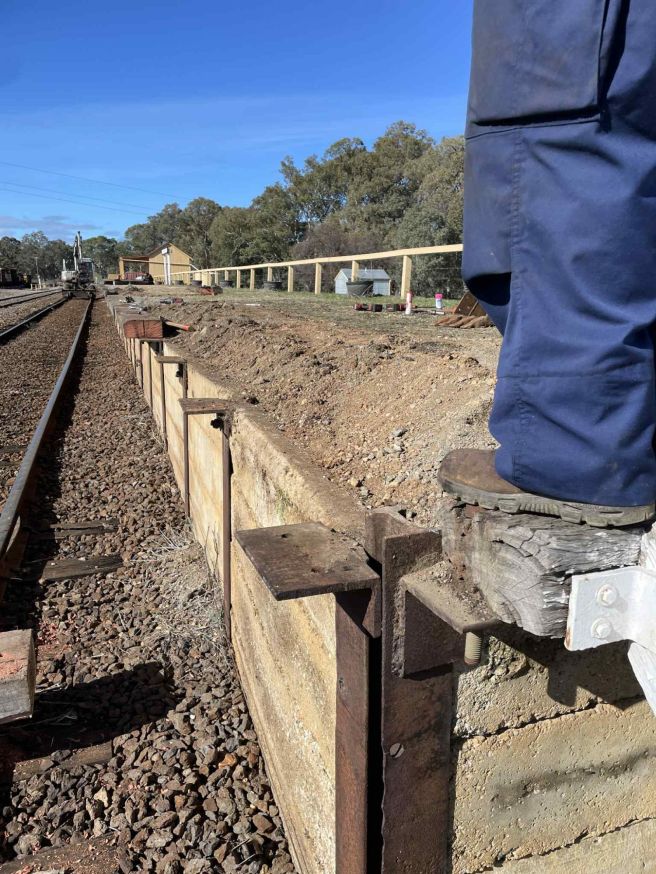
January – begun with the re-building of the Maldon Heads hunt and completion of the 2/3rd Turnout at the Down end of the yard. Fishplates were changed between Pipeline Crossing and Donkey Farm Track in preparation for re-sleepering.
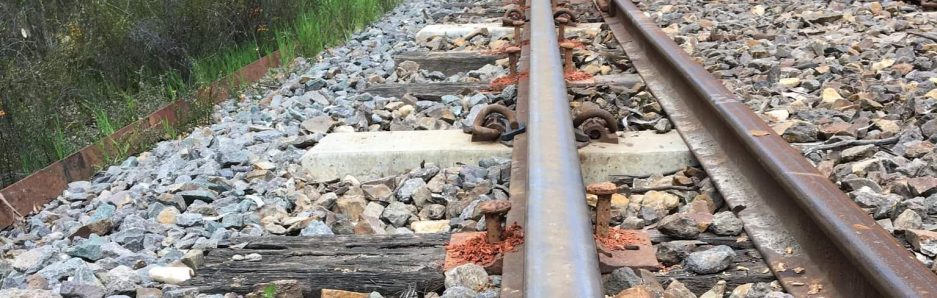
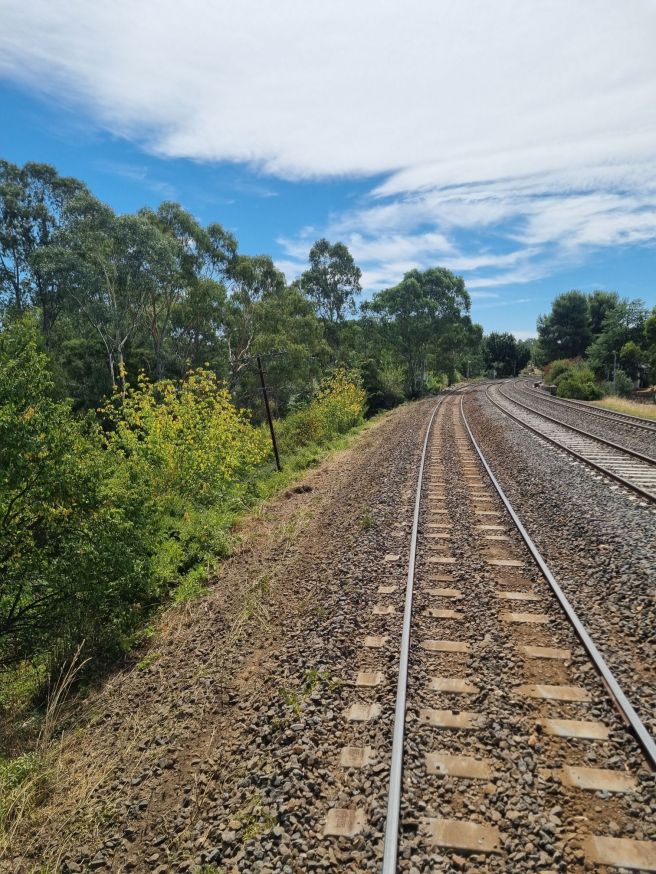
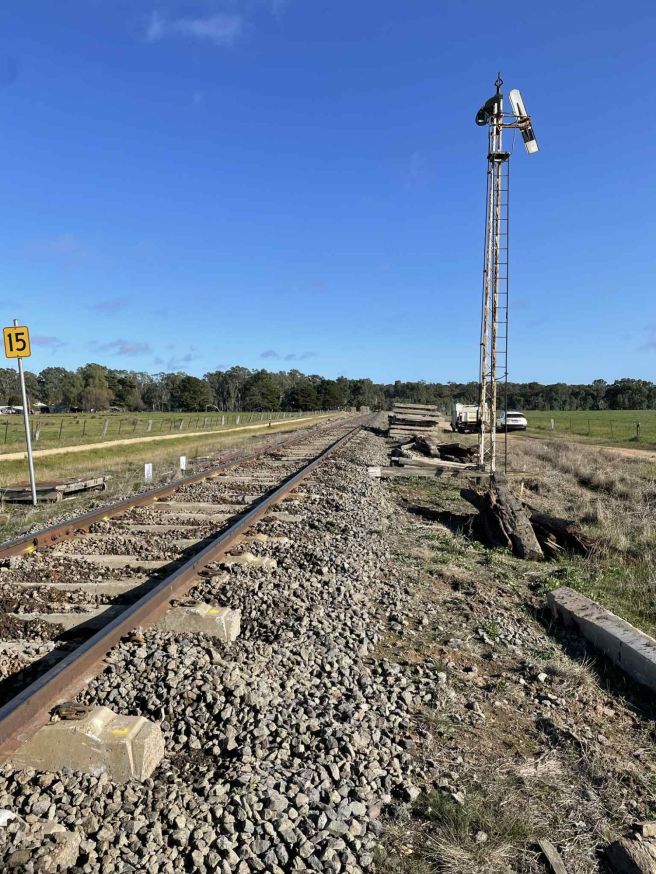
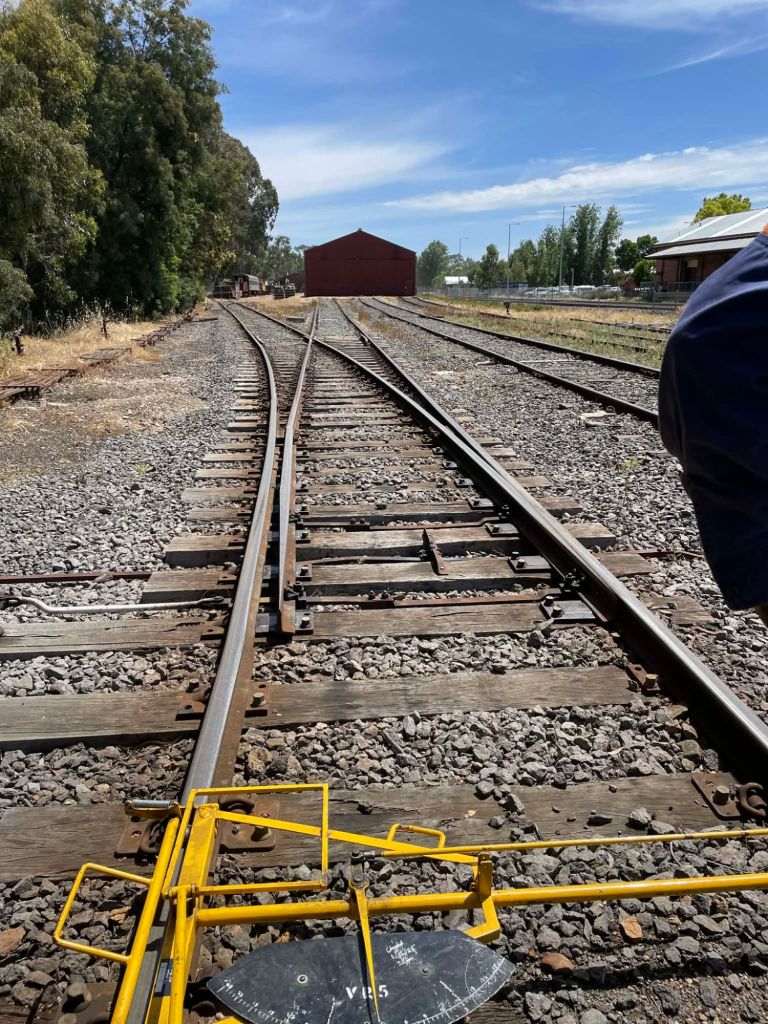
February – finishing off the final bits and pieces at Maldon first, we then headed out to Pipeline Crossing to drop out concrete sleepers. Some minor bridge works (mainly bolt replacement and tightening) work occurred. V/Line had shutdown of the Bendigo corridor and we took the opportunity to replace 138 timber sleepers with concrete sleepers and 18 point timbers where our lines runs parallel to V/Line. We also made use of the time to remove a lot of the overgrown foliage in the area.
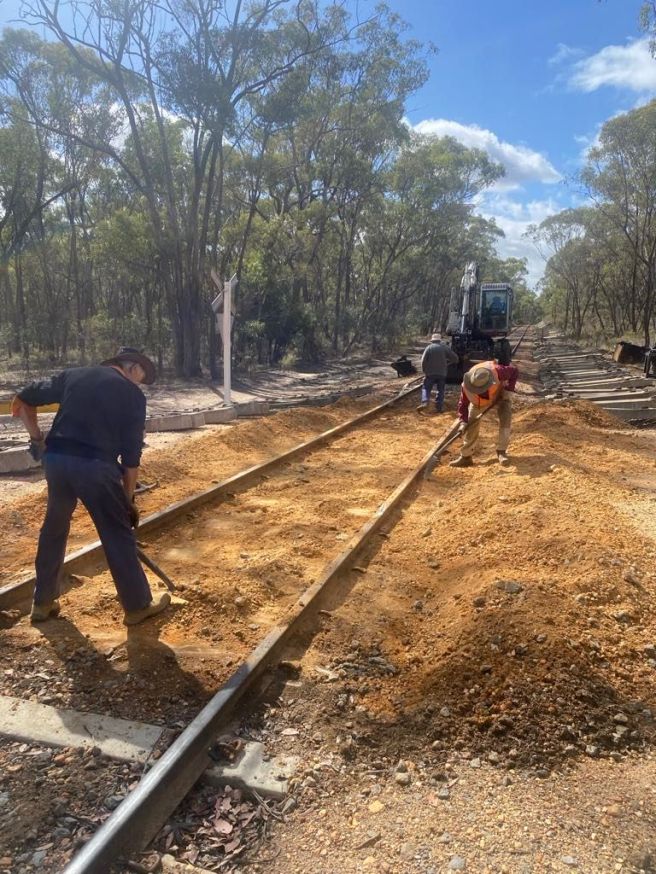
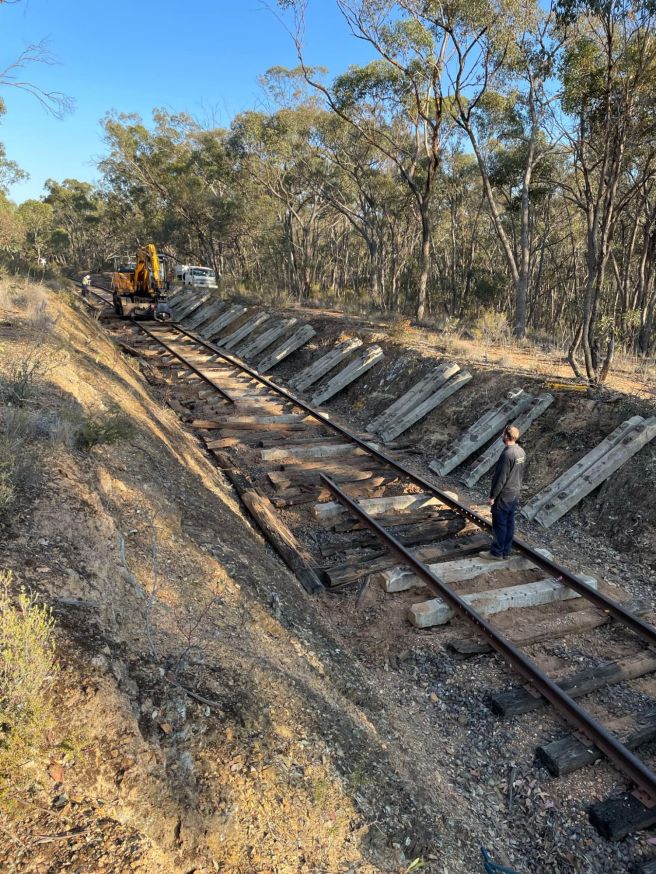
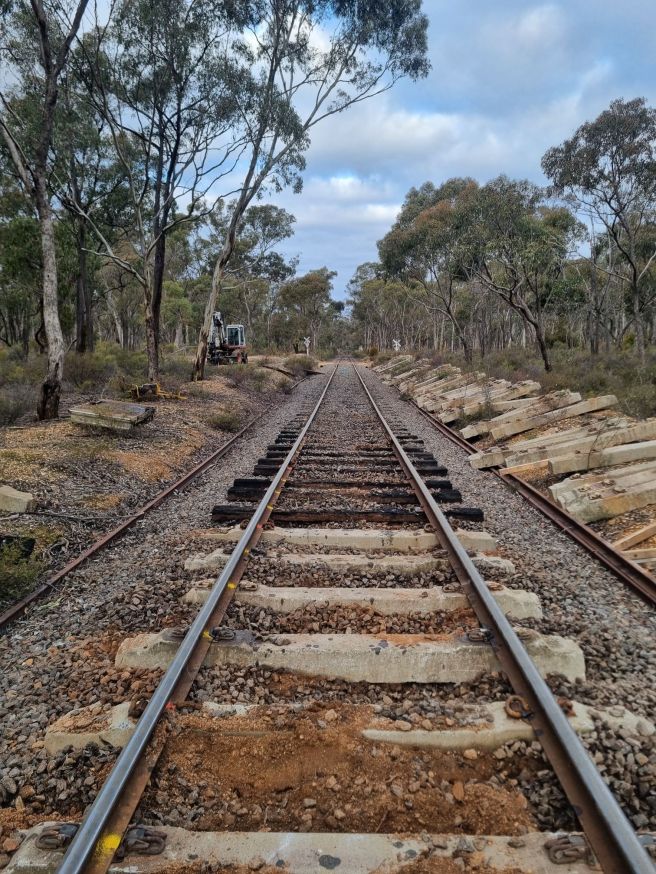
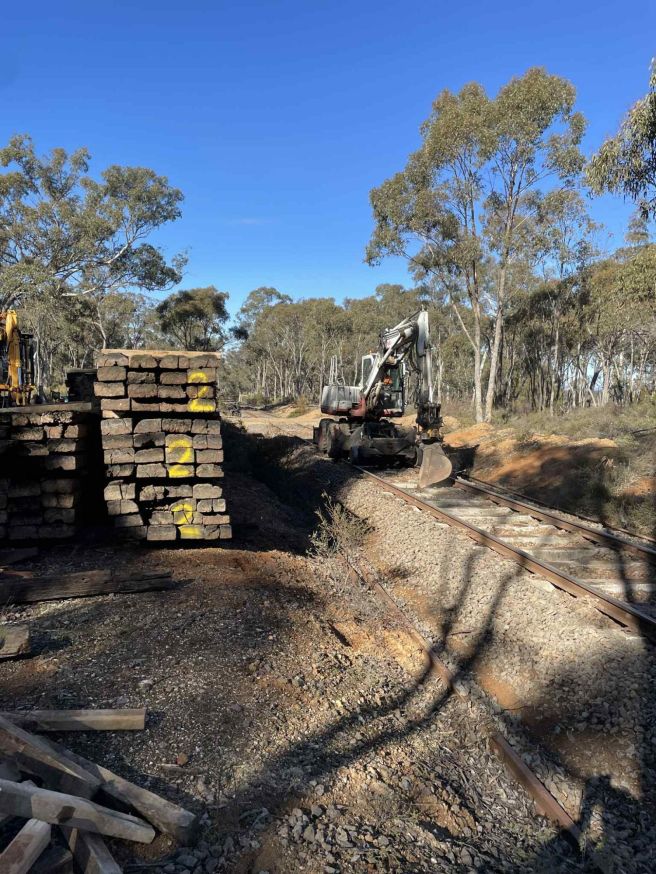
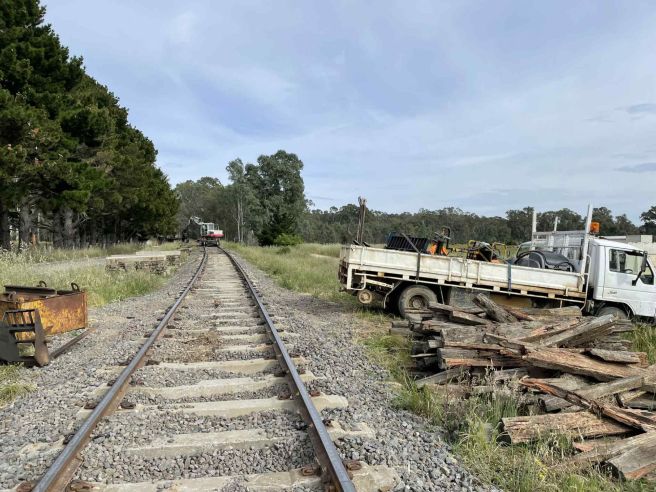
March – started with the building of a short run off road around the Castlemaine Turntable, some tidying up around Maldon Yard following all the works before making a start on the re-sleepering program for the year (the aim was to replace all 2000 approx. sleepers with concrete between Pipeline Crossing and Donkey Farm Track). 205 Concrete sleepers were installed – including through Pipeline Crossing.
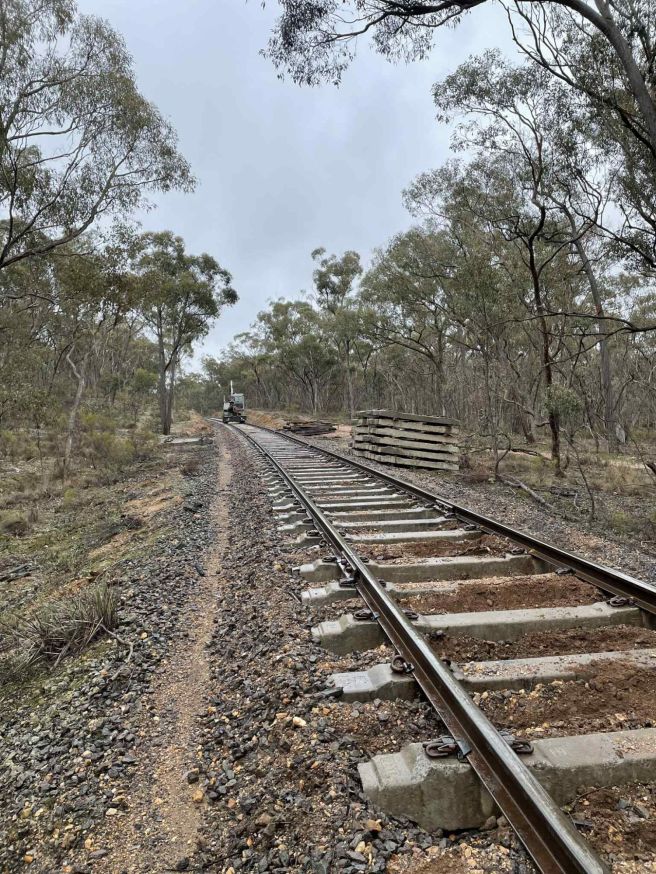
April – Resleepering Pipeline to Donkey Farm Trk. 591 Concrete Sleepers installed.
May – Resleepering Pipeline to Donkey Farm Trk. 412 Concrete Sleepers installed. It was also the month for Track Inspections and a few odd jobs were required at Muckleford and at Castlemaine Turntable.
June – It was time for our detailed 3 years bridge inspections – nothing of any great note was discovered, just regular cyclic maintenance. Resleepering neared Donkey Farm Track – 682 Concrete Sleepers installed.
July – Donkey Farm Track was reached very early in the month, needing only 38 Concrete Sleepers to achieve .We clipped up all the fastclip sleepers between Pipeline and Donkey Farm, had a massive tidy up of all the old timber and other mess we’d made along the way.
August – Timber Coping was replaced at Muckleford as required. Castlemaine saw some maintenance to the signals and the trimming of overhanging trees around the Yard and Depot. 80 Concrete Sleepers were installed between Rowe and Maclise St Crossings.
September – In Maldon Yard a few point timbers and sleepers were replaced before a start was made on re-sleepering from Chapmans Lane to Muckleford Creek Bridge (This was in addition to the planned resleepering works for 2025). 422 Concrete Sleepers and 9 Timber Sleepers installed.
October – Curve 13 (on the immediate UP side of Muckleford) saw timber sleepers replaced with concrete to achieve a pattern of 1 in 3 or better. Muckleford Platform saw a concrete sleeper cycle (of approx. 1 in 4) to tidy up the track gauge and allow for some alignment works.2 Road Muckleford had a timber sleeper replacement cycle as well as replacement of a few point timbers. Once that was done, additional resleepering occurred towards Muckleford Creek Bridge. 267 Concrete Sleepers and 25 Timber sleepers were installed this month.
November – The concrete sleepering to Muckleford Creek Bridge was completed. It nicely coincided with the start of the lineside mowing and a bit of equipment maintenance. 140 Concrete Sleepers were installed.
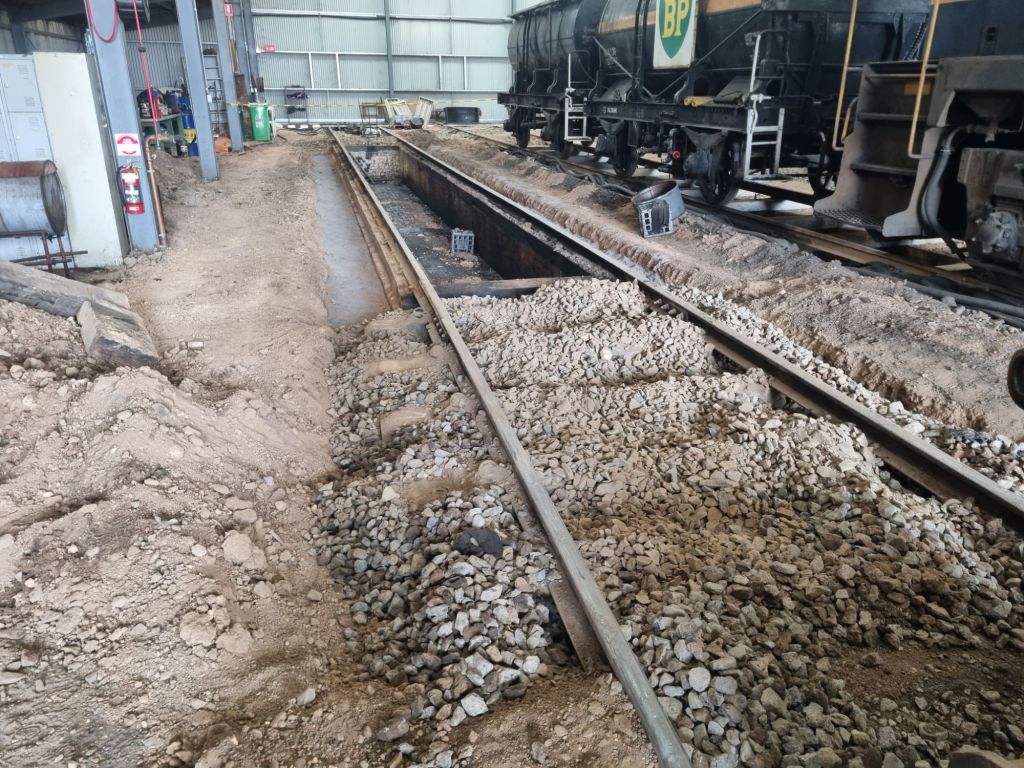
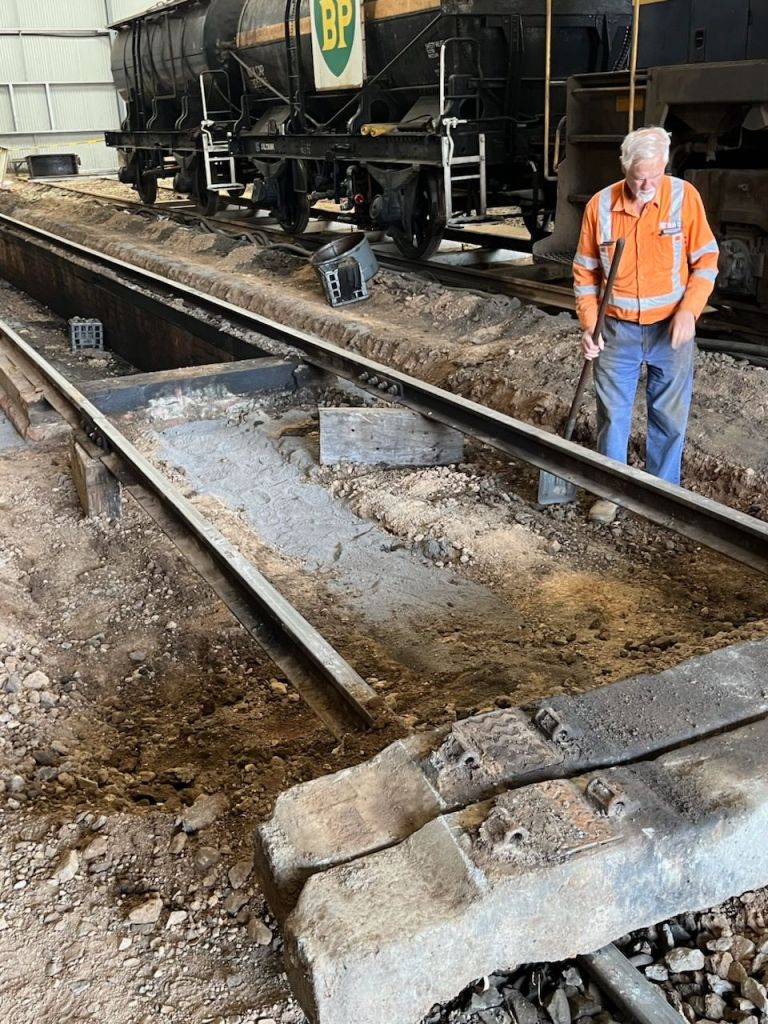
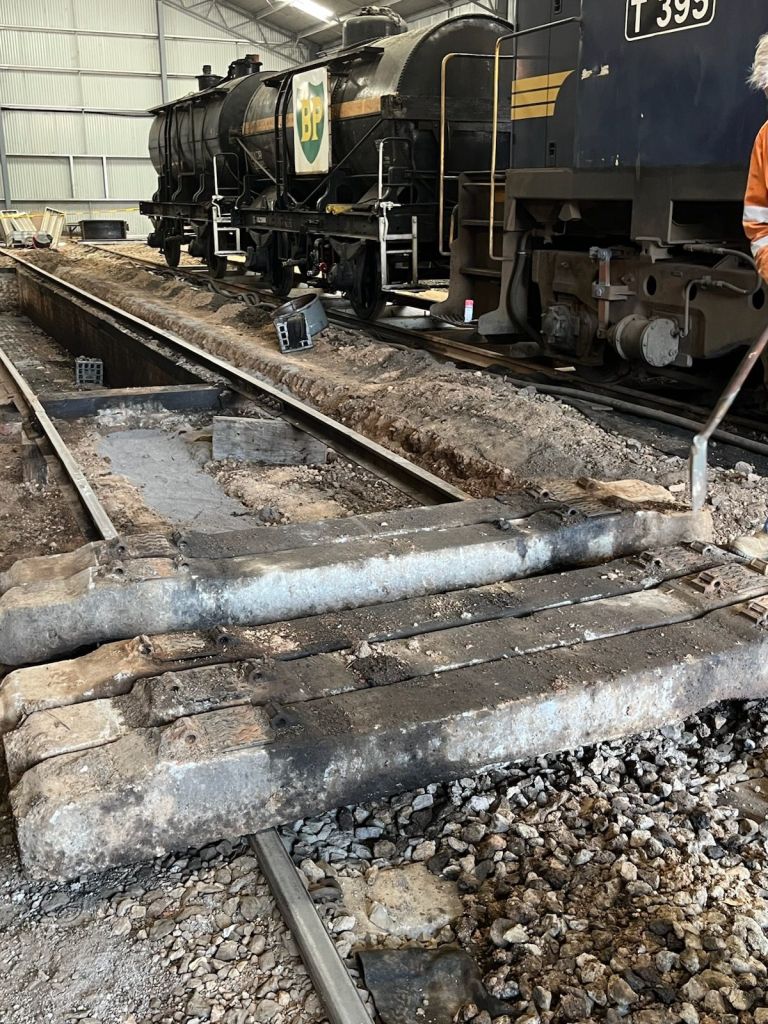
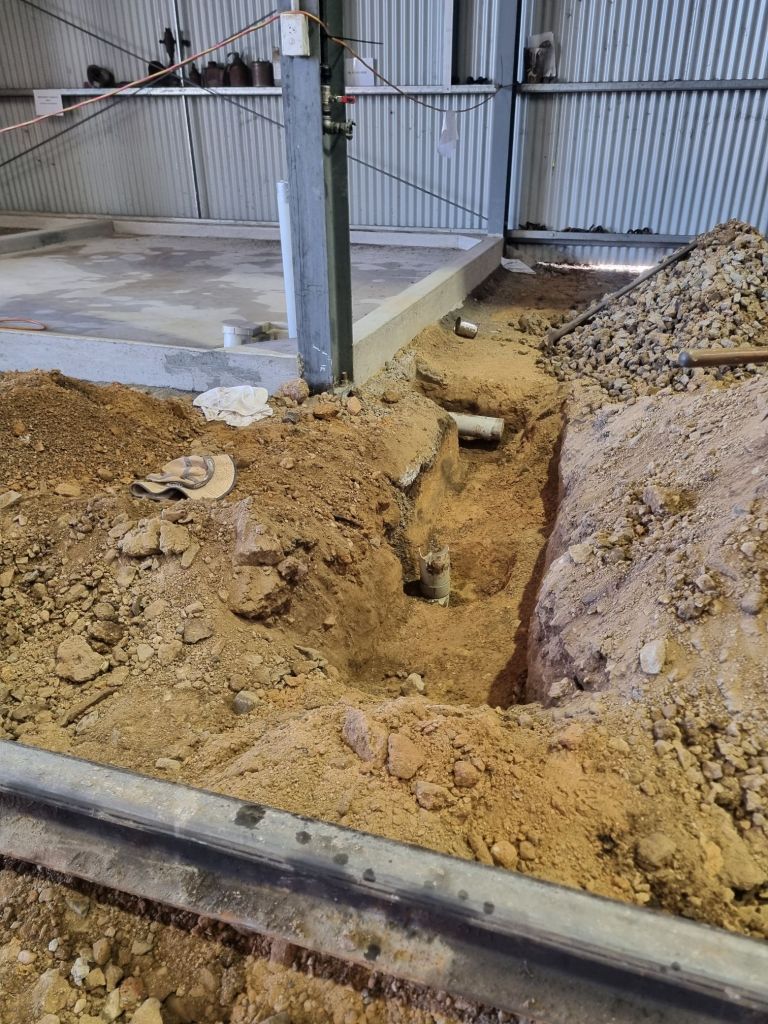
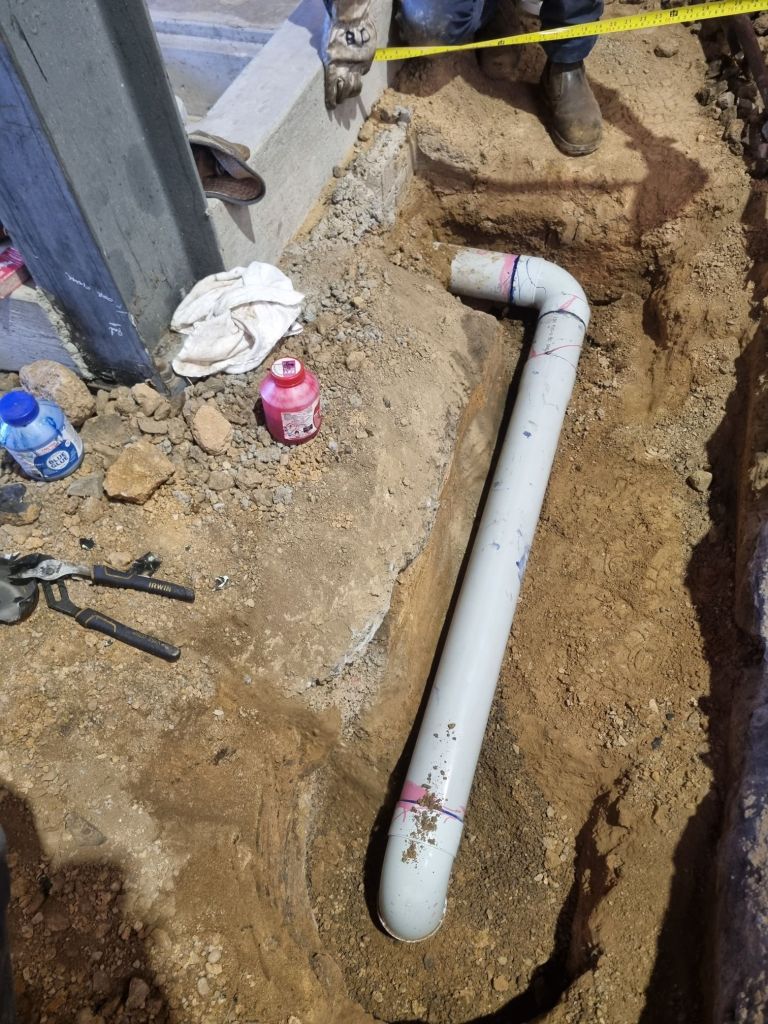
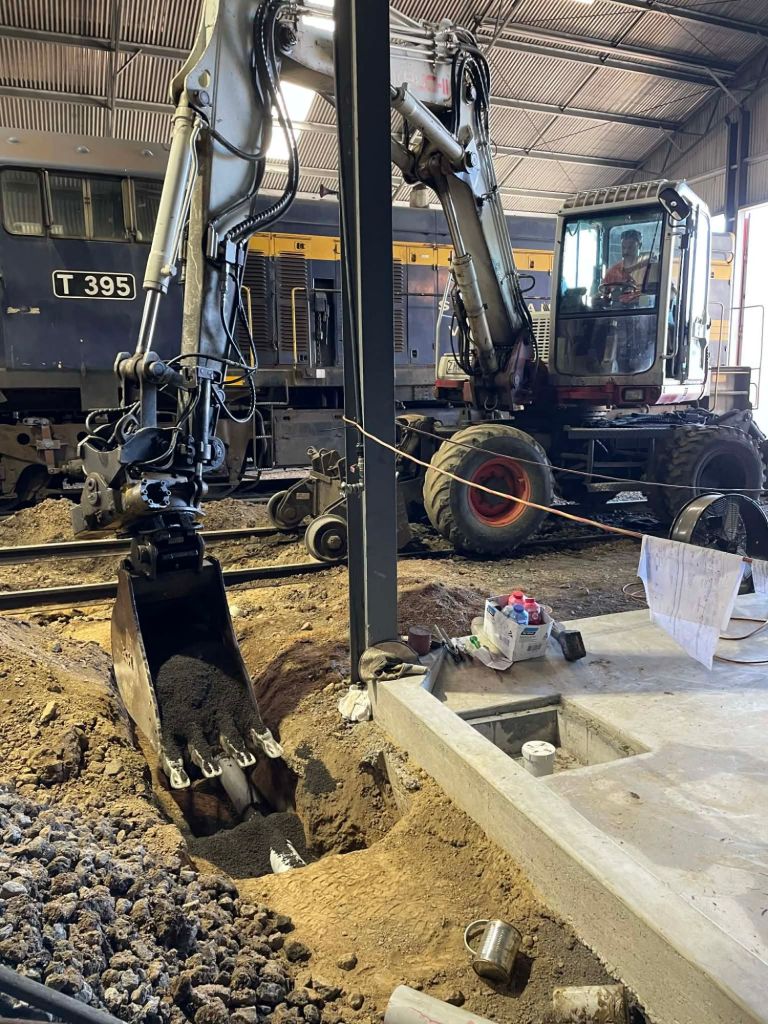
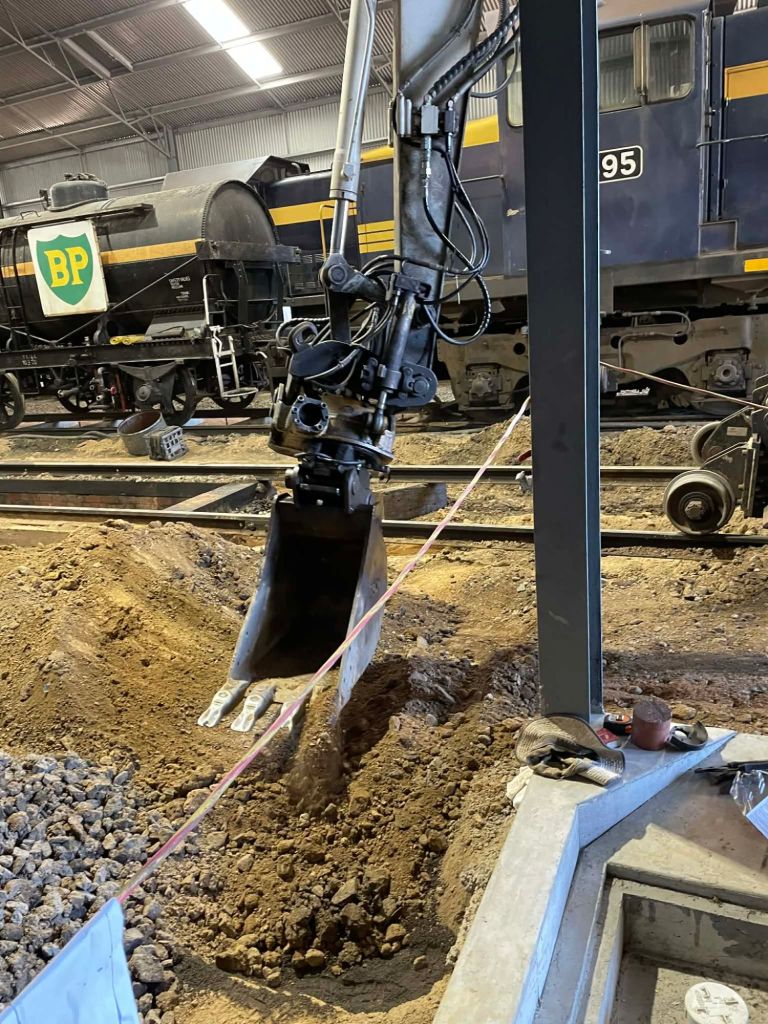
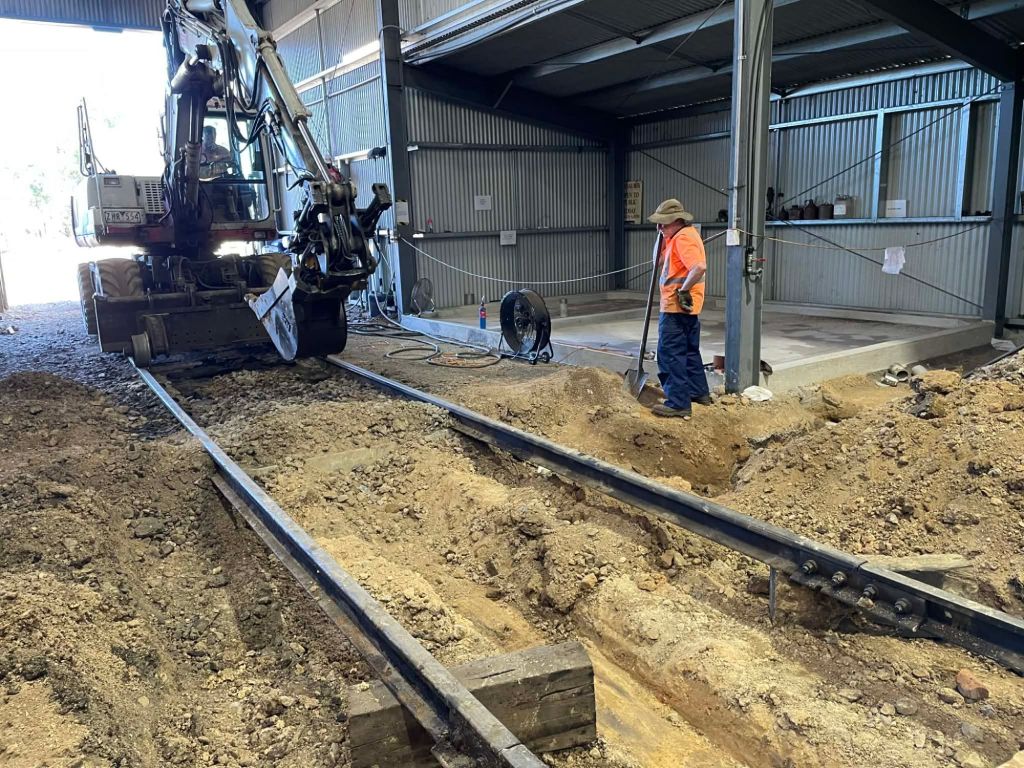
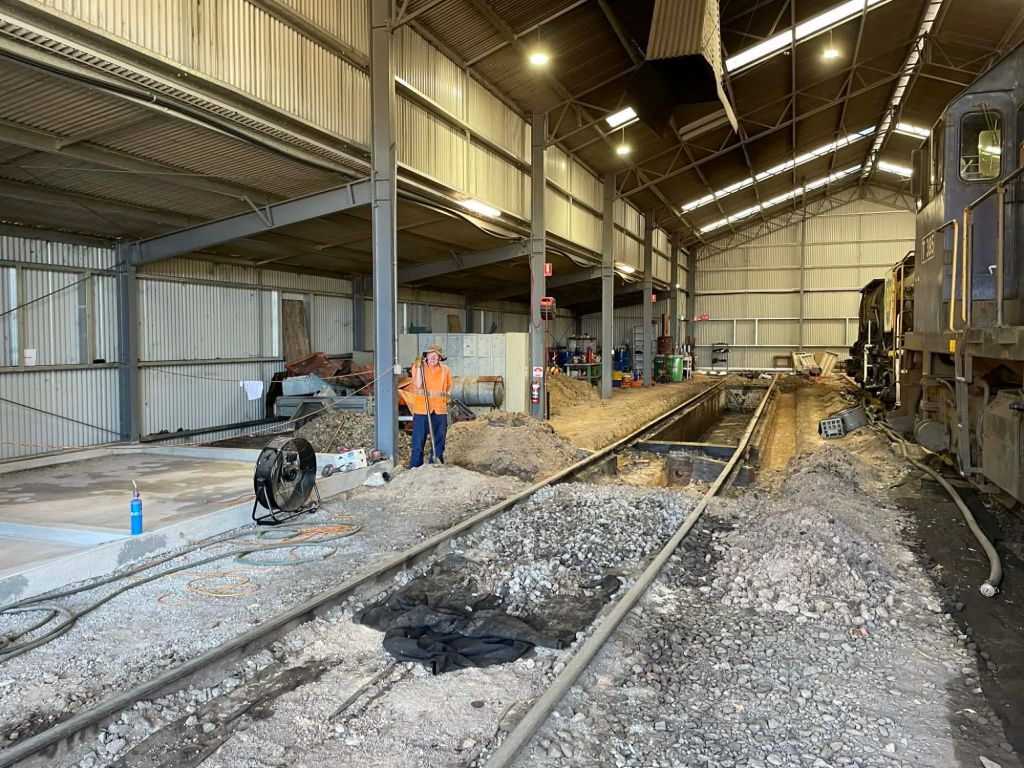
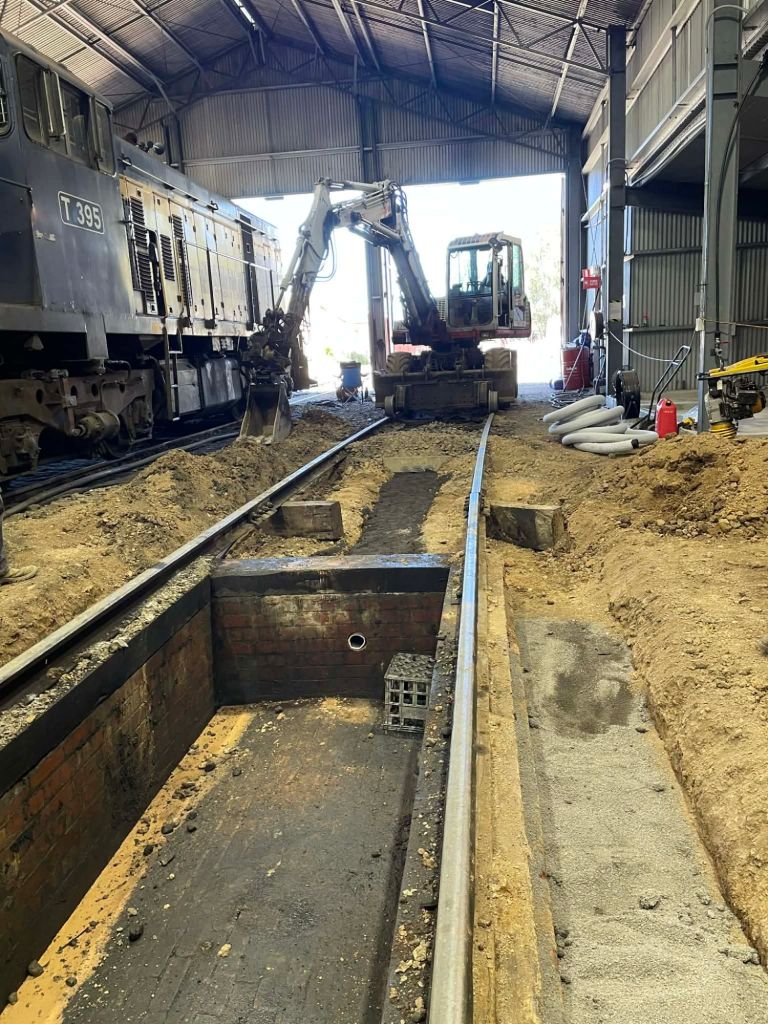
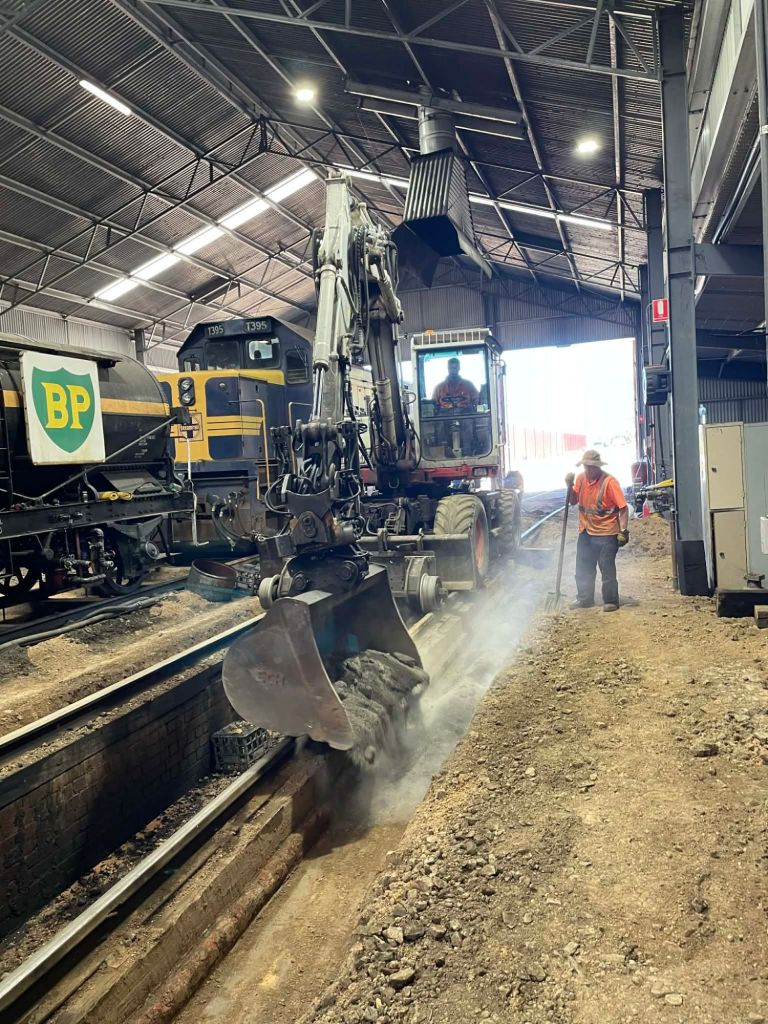
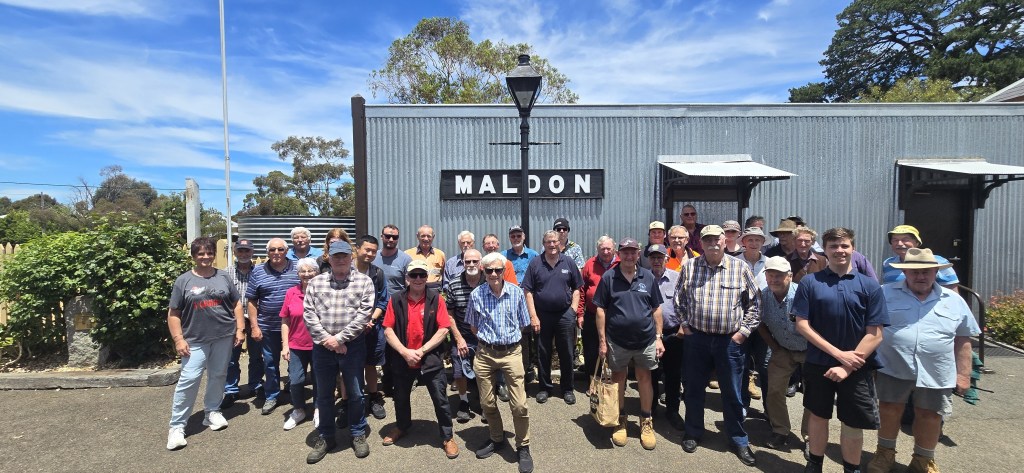
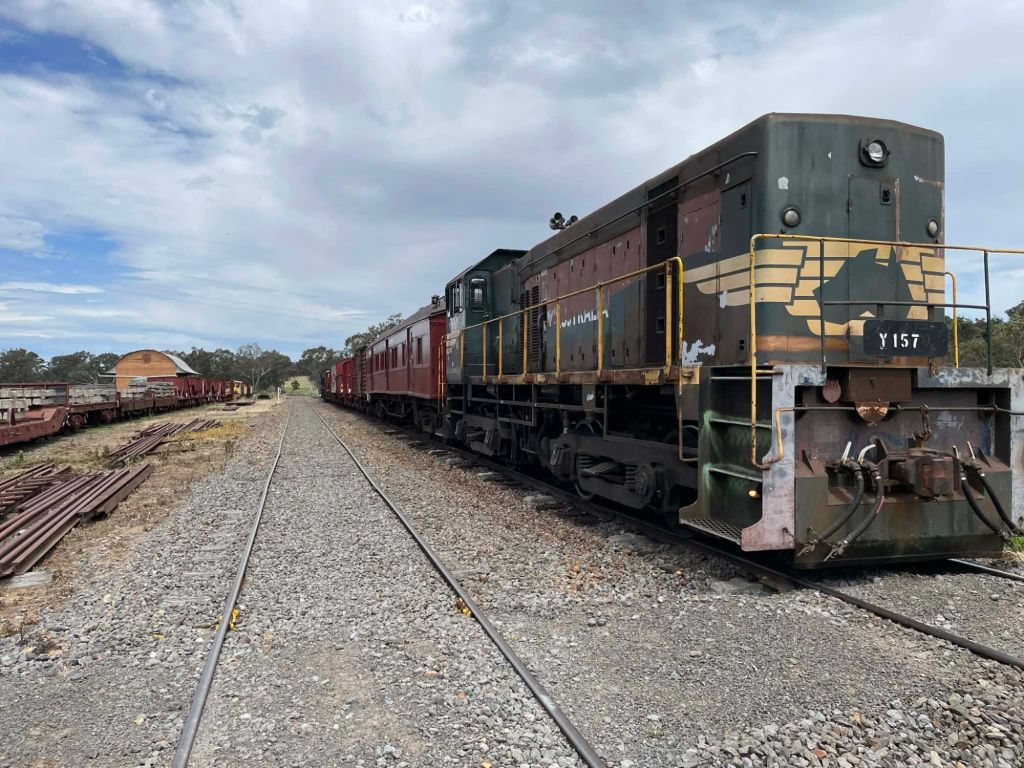
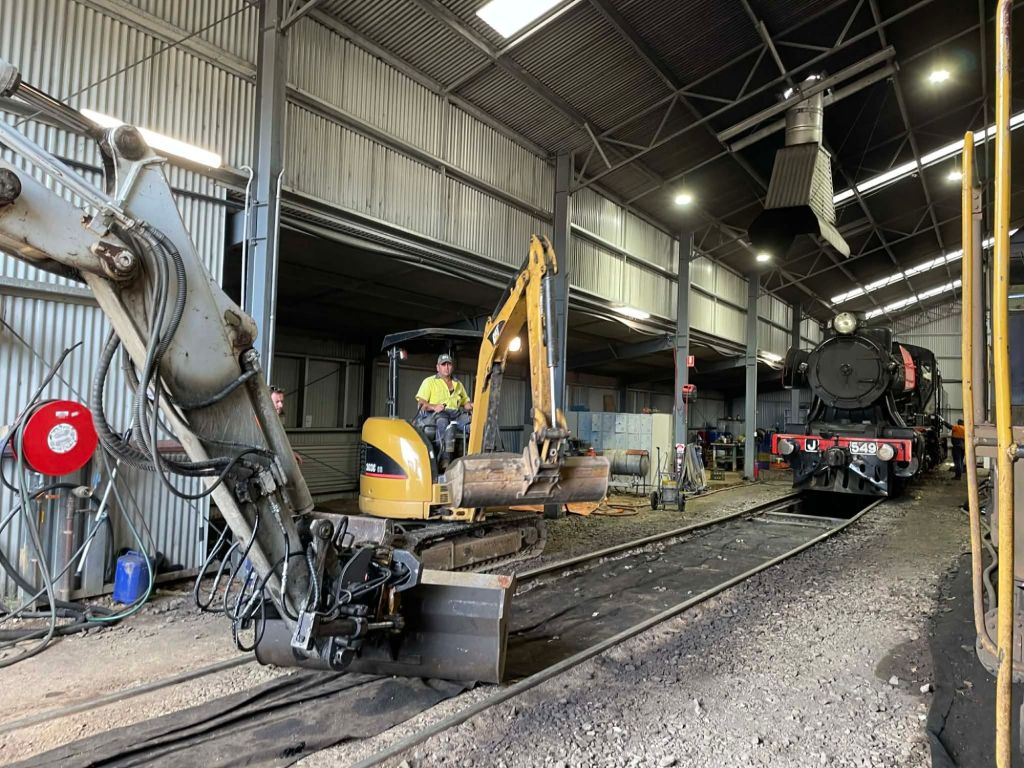
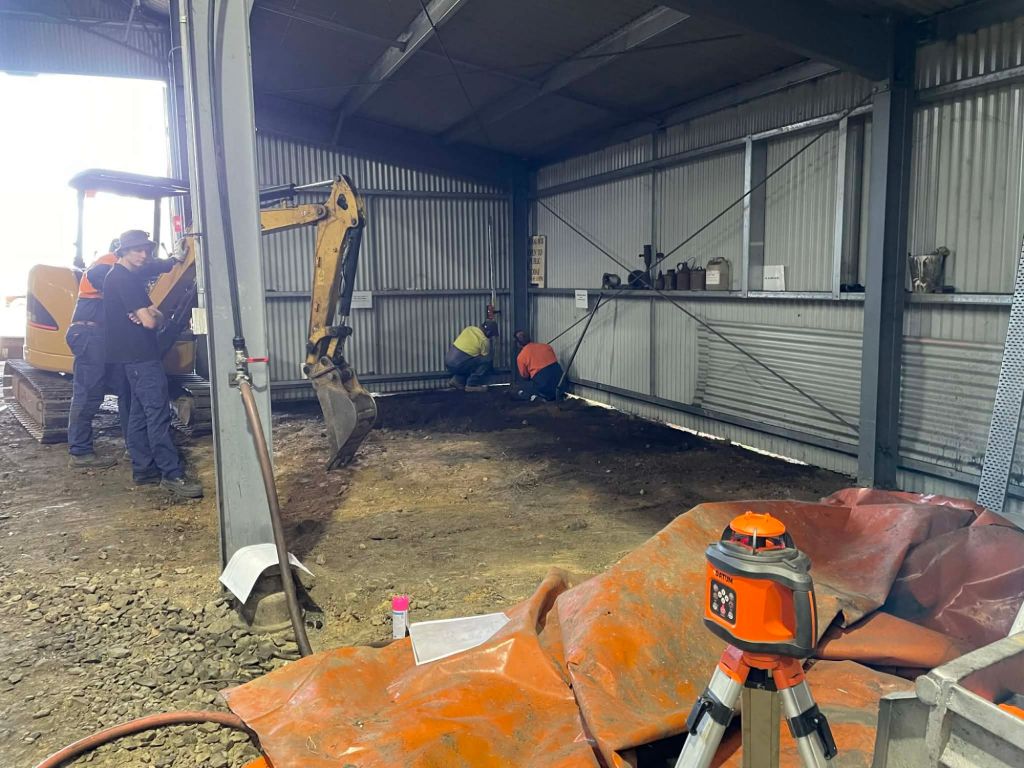
December – Lineside mowing continued at a pace, the 6 monthly track inspection was undertaken with only some very minor issues detected. Work started for concrete flooring in the Castlemaine Loco Shed. A joint Civil/Mechanical/Carriage Crew Christmas train and BBQ was held in mid December to help celebrate the successes of 2025!
2025 saw a grand total of 2975 Concrete Sleepers Installed and 52 Timber Sleepers/Point Timbers Installed – not quite as impressive as our 2024 effort of 4763 concrete sleepers – but certainly still very impressive.
The Plans for 2026:
Without know what is going to go wrong and when…. in essence 2026 has the following broad objectives:
- Complete the first stage of the Concreting Castlemaine Loco Shed
- Replace 4 x Bridge Beams
- Replace an additional 100 timber sleepers adjacent to V/Line
- Replace approx. 400 x 6 hole fishplates with 4 hole fishplates
- Replace the remaining 1km of timber sleepers between Donkey Farm Trk and Muckleford Creek Bridge (Approx. 1320 sleepers)
- Re-rail 1 Road Muckleford
- Re-rail the remaining old 80lb rail in Castlemaine Platform
- Replace Timber sleepers around Castlemaine Yard as required
- Fix up as few minor Level Crossing Signalling issues at Maclise and Rowe Street
- Begin replacing timber sleepers between Muckleford and Castlemaine – initially to give a minimum 2 in 3 concrete sleeper pattern (approx. 3000 required to achieve this).
- Plus all the usual fun and activities associated with keeping 18kms of heritage railway safe and operational!
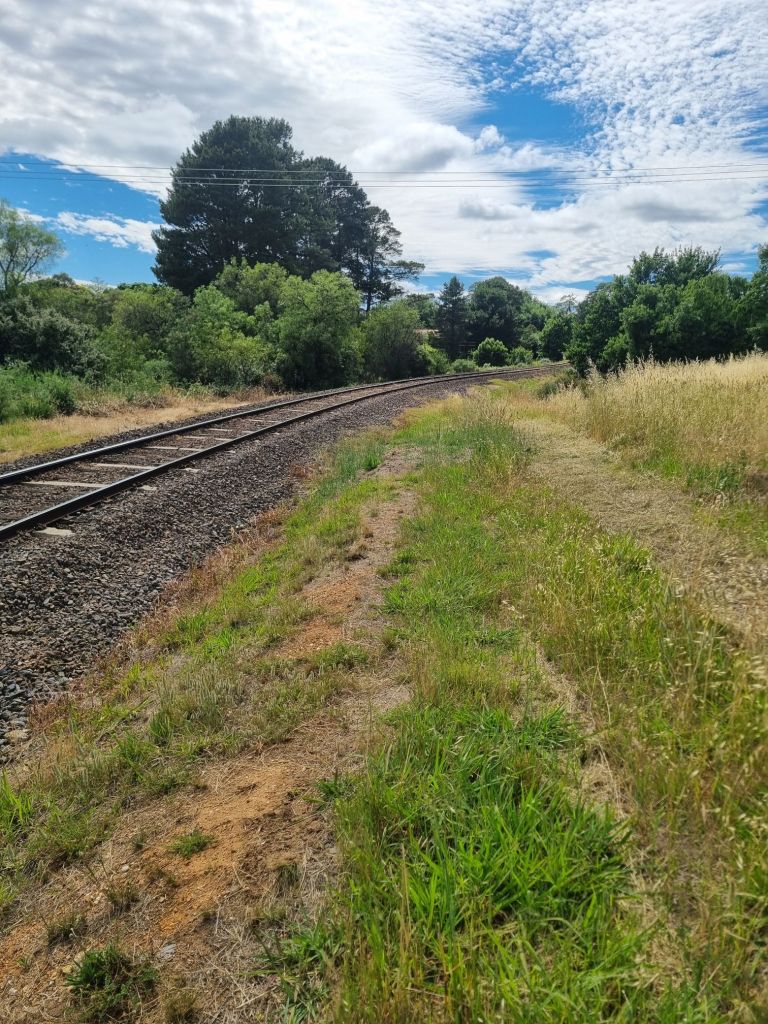
By the end of 2026 we aim to have our Mainline Sleepers being: Maldon to Muckleford: 100% Concrete Sleepers, Muckleford to Castlemaine 70% Concrete – it’s very likely we’ll fall a bit short in the Castlemaine Section, however it’s good to aim high.
Workdays in 2026 – We’ll still be operating gangs on Monday, Tuesday and Friday – with Wednesday being only ad-hoc as required – we’ll make that our dedicated Digger Day in preparation for a Thursday Workday.
This week – starting Monday 5th – will see work resume, however the weather does appear to have some other ideas…. Monday and Tuesday are looking reasonable, however Thursday is looking hot – very hot and likely a high fire danger day – we might very well call off Thursday – watch this space.
Monday and Tuesday crews will meet at Maldon at 8am – based on attendance we’ll plan the works from there.



 VGR Civil Blog